Sight Fresh Review (2026): Does It Really Work for Vision? Ingredients, Complaints & Verdict
Disclosure: This page contains affiliate links — if you buy through them we may earn a commission at no extra cost to you, which never changes our assessment. We don't sell or make this product and haven't personally tested it. Not medical advice — talk to your doctor before trying any supplement.
If you found Sight Fresh through a long video ad promising to “restore” your eyesight with a berry secret used by WWII fighter pilots, you’re probably here for one reason: you want to know whether it actually works before spending the money. That’s a fair question, and the marketing doesn’t really answer it, so we dug into the formula, the claims, the pricing, and what people are saying.
Quick take: Sight Fresh is a fairly ordinary eye-health supplement built around well-known nutrients (lutein, zeaxanthin, zinc, bilberry, vitamins C and E) sold with a dramatic, over-the-top sales story. The ingredients are legitimate and have real research behind them for supporting eye health, but nothing in this bottle is a credible way to “restore” or reverse vision. The 180-day guarantee is the most genuinely attractive thing about it, and reports of refund friction make even that worth scrutinizing.
Disclosure: This article contains affiliate links. If you buy through them, we may earn a commission at no extra cost to you. That never changes our rating or what we write — we don’t sell, make, or test this product.
Medical disclaimer: This is not medical advice. Supplements are not a substitute for an eye exam. Sudden vision changes, eye pain, flashes, floaters, or progressive blurring can signal serious conditions and should be evaluated by an optometrist or ophthalmologist, not self-treated with a pill.
Check the latest price on the official Sight Fresh site
What Is Sight Fresh?
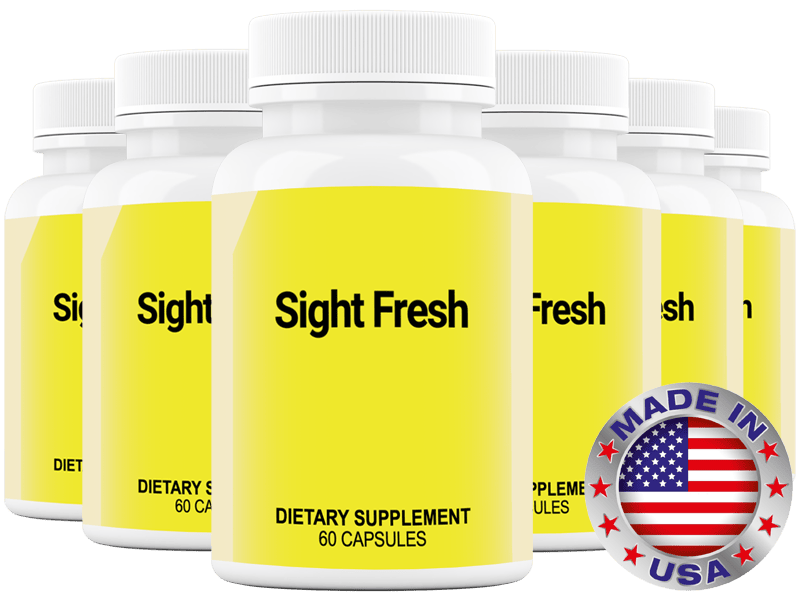
Sight Fresh is a daily eye-health capsule sold direct-to-consumer, primarily through ClickBank-style video sales letter (VSL) funnels, and listed under the vendor name Prem Vitality. Each bottle contains 60 capsules, and the suggested use is two capsules per day, making one bottle a one-month supply.
It’s positioned as an “advanced vision support” formula that helps with modern complaints: digital eye strain, blue-light exposure, night-driving glare, and age-related decline in visual sharpness. The company states the product is made in the USA in a GMP-compliant, FDA-registered facility. (We could not independently verify the specific facility, batch testing, or any third-party lab certificates — that’s a claim from the seller, not confirmed data.)
The branding leans hard on a backstory about berries that supposedly helped WWII pilots see in the dark. That story refers loosely to a real wartime myth about RAF pilots and bilberry jam — but it has long been considered propaganda rather than proof, and it tells you nothing about whether this specific formula does anything for your eyes.
How It Claims to Work
According to the sales materials, Sight Fresh works by flooding the eye with antioxidants and carotenoids that protect the retina and macula, filter harmful blue light, fight oxidative stress, and support the pigments your eyes use for night vision. Those are the claims the marketing makes.
Here’s the honest framing: the mechanisms it describes (antioxidant protection, blue-light filtering by macular pigment) are real and well-documented for the nutrient classes involved. What’s not supported is the leap the funnel makes from “supports eye health” to “restores,” “rebuilds,” or “fixes” your vision. No oral supplement has been shown to reverse refractive error, regrow damaged retinal cells, or replace glasses. Treat any “20/20 again” style promise as marketing, not science.
Sight Fresh Ingredients
The label, as reported across multiple secondary sources, centers on a familiar eye-nutrient stack. Note that doses were inconsistently reported and we could not confirm a complete, official Supplement Facts panel for every ingredient — where a dose isn’t confirmed, we say so.
- Lutein and zeaxanthin (zeaxanthin reported around 2 mg; lutein reported around 10 mg in one source, not confirmed): These are the two carotenoids that concentrate in the macula. This is the part with the strongest evidence. The large AREDS2 trial (National Eye Institute) found lutein + zeaxanthin useful in a formula that slowed progression of intermediate-to-advanced age-related macular degeneration (AMD). Important caveat: AREDS2 was about slowing damage in people who already had AMD — not improving normal vision, sharpening eyesight, or curing eye strain.
- Zinc (reported around 32 mg): A core AREDS ingredient that helps transport vitamin A to the retina. The AREDS2 formula used 25–80 mg of zinc, so this dose is within a researched range — but high-dose zinc taken long-term can deplete copper and may cause stomach upset, which is exactly why a copper pairing matters.
- Copper: Typically included specifically to offset zinc-induced copper depletion. Reasonable to see it here; dose not confirmed.
- Bilberry: Rich in anthocyanin antioxidants. Popular in eye formulas and the source of the “night vision” story, but human evidence that bilberry meaningfully improves night vision or eyesight is weak and mixed. Treat it as a supportive antioxidant, not a proven vision booster.
- Eyebright (Euphrasia): A traditional herb used for eye irritation and tear-film comfort. Modern clinical evidence is thin; its inclusion is more traditional than evidence-based.
- Vitamins C and E: Antioxidants and also part of the original AREDS formula. Useful as antioxidants; not magic.
Bottom line on the formula: these are real, sensible eye-health ingredients with genuine (if narrow) research support — mostly for slowing AMD progression in at-risk people, not for sharpening healthy vision. The biggest knock is transparency: a product asking premium prices should publish a full, exact dose label so you can compare it to AREDS2 and to cheaper competitors. We couldn’t fully verify those doses, and undisclosed or proprietary-blend dosing is a recurring red flag in this category.
What Buyers Actually Say
Buyer feedback splits sharply depending on where it comes from, and that split is itself the story.
The marketing funnel and affiliate-run pages cite very high ratings — figures like 4.8/5 across thousands of “reviews.” We treat those numbers as marketing, not independent feedback: they’re displayed by parties who profit from the sale (the seller and affiliates), and ClickBank VSL products routinely surround themselves with affiliate articles engineered to rank and sell. They are not verified, independent customer reviews.
On the independent side, the picture is far less flattering. At least one analysis citing third-party platforms reports an average closer to 1.3/5, and recurring complaints include the product not delivering the promised vision improvements, the price feeling steep for what’s inside, and — most importantly — friction getting refunds despite the advertised guarantee. We were not able to load Trustpilot directly to verify a live count, so treat the exact number as unconfirmed; but the pattern (glowing affiliate pages vs. unhappy independent buyers and refund disputes) is consistent and worth taking seriously.
What we did not find: credible, independently verified reports of people regaining lost eyesight. That absence matters given how aggressively the ads imply it.
Pricing, Guarantee & Where to Buy
Reported pricing runs roughly $39 to $69 per bottle, with the single bottle around $69 and the per-bottle price dropping on multi-bottle bundles (the classic 1 / 3 / 6 bottle structure). Prices and promos change often on these funnels, so verify the current number on the official page before buying.
The headline reassurance is a 180-day money-back guarantee — genuinely long for this category, and the single best reason to consider trying it with limited downside. Two honest caveats: (1) several independent complaints describe refund hassles, so the guarantee is only as good as the company’s willingness to honor it; and (2) refunds on bundles usually require returning bottles and may exclude shipping — read the exact terms at checkout.
If you do buy, buy only from the official site. Eye supplements sold through random third-party marketplaces are a common target for counterfeits and expired stock, and buying off-site can also void the guarantee.
See current Sight Fresh pricing and the official guarantee terms
Pros and Cons
Pros
- Sensible, recognizable ingredient stack (lutein, zeaxanthin, zinc, copper, bilberry, vitamins C and E) with real research support for eye health.
- Long 180-day money-back guarantee — more downside protection than most rivals offer.
- Zinc + copper pairing is a thoughtful detail (copper offsets zinc-induced depletion).
- Made-in-USA / GMP facility claim (seller-stated, not independently verified by us).
Cons
- Marketing massively overpromises — “restore your vision” framing the ingredients cannot deliver.
- Incomplete dose transparency; we couldn’t confirm a full official Supplement Facts panel.
- Premium price ($39–$69/bottle) for nutrients available much cheaper, including standard AREDS2 formulas at the pharmacy.
- Independent reputation looks weak (reports near 1.3/5) versus inflated affiliate-driven 4.8/5 claims.
- Recurring complaints about refund friction undercut the guarantee’s value.
- Theatrical WWII-pilot backstory is marketing folklore, not evidence.
Our Verdict
Sight Fresh is a real supplement with a reasonable, evidence-aware ingredient list — not a miracle and not a credible way to reverse vision loss. The science behind lutein, zeaxanthin, zinc, and copper is real, but it’s mostly about slowing AMD progression in people who already have it, which is very different from the “get your eyesight back” promise in the ads. You’re paying a premium largely for the funnel and the story, not for anything unique in the capsule.
Best for: someone who already wants a basic, AREDS-style eye antioxidant, values the long refund window, and goes in with realistic expectations.
Skip it if: you’re hoping to restore or sharpen your vision, you’ve been promised it replaces an eye exam or glasses, or you’d rather buy the same proven nutrients (lutein/zeaxanthin/zinc/copper, or an off-the-shelf AREDS2 product) for a fraction of the price. And if you have real vision symptoms, see an eye doctor first.
Rating: 2.5 / 5 — fine ingredients, oversold and overpriced, with a reputation that doesn’t match the hype.
FAQ
Does Sight Fresh actually work? For general eye-health support, its core nutrients (lutein, zeaxanthin, zinc) have legitimate research behind them — chiefly for slowing AMD progression in at-risk people. There is no credible evidence it restores, reverses, or sharpens normal vision the way the ads imply. Set expectations accordingly.
Are there side effects? Most ingredients are well tolerated at normal doses, but the reported ~32 mg of zinc taken daily long-term can cause stomach upset and copper depletion (the included copper is meant to offset this). Talk to a doctor before starting if you’re pregnant, nursing, on medication, or have a medical condition.
How long does it take? There’s no reliable timeline because there’s no strong evidence it improves everyday vision. In the AMD research, benefits were measured over years, not days or weeks. Be skeptical of any “results in days” claims.
Where can I buy it? Only through the official Sight Fresh website, to get the current pricing, the 180-day guarantee, and authentic product. Avoid third-party marketplace listings, which risk counterfeits and may void the guarantee.
How we researched this: we reviewed Sight Fresh’s marketing claims and reported ingredient list, cross-checked the nutrients against published eye-health research (including the AREDS2 trial on lutein, zeaxanthin, zinc and copper), compared marketing-side ratings against independent buyer feedback and refund complaints, and flagged every figure we could not independently confirm. We have not purchased or tested the product, and this is research-based editorial analysis, not medical advice.